
Games of Mind and Steel: The Strangest Patents in the History of Safes
You can't think of anything when you need to protect something important and expensive. History has preserved many examples of how engineers and inventors tried to surpass themselves, sometimes creating absolutely fantastic safes. Flipping through old patent information, sometimes you don't know what to be more surprised about: the courage of engineering thought or its outright madness.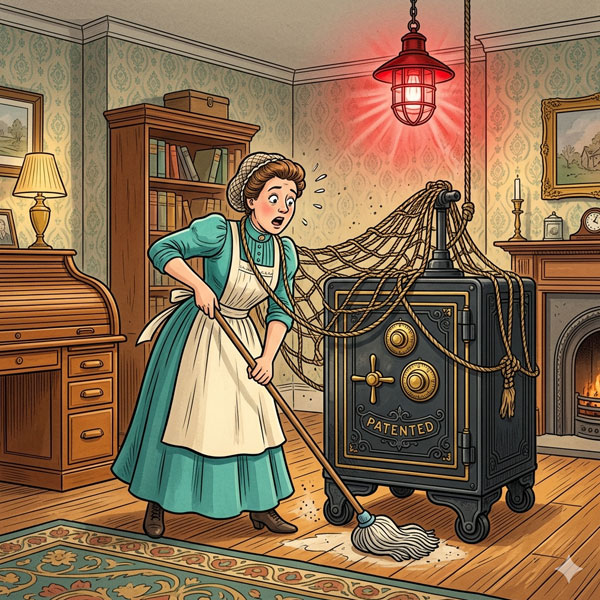 Many of these ideas remained on paper, turning into funny archival fables. For example, what do you think of the idea of a safe-trap in the spirit of the movie "Home Alone"? Some authors quite seriously proposed building mechanisms into locks that, when trying to break in, would entangle the thief with a net, blind him with a bright light, or stun him. But imagine that you simply forgot the password in a dream or accidentally touched a metal box with a mop while cleaning... In general, doctors and lawyers quickly explained to the authors that mutilating the owners is a so-so business plan.
Or take a safe with a self-destruct system. The logic is simple: “Don’t let anyone get to you!” If the sensors detected someone else’s intrusion, a shredder, mini-oven, or ampoule of acid would be triggered, turning important papers into ash or confetti. The idea is nice for spy fighters, but in reality, one technical failure could destroy what the safe was for in the first place.
And what do you think of a ghost safe that was supposed to hide from robbers by rolling on its own along hidden rails inside the walls of the house? It sounds creepy, and the prospect of dismantling the wall with a puncher if the mechanism gets stuck somewhere between floors has inspired few people.
But are these ideas really that crazy?
In fact, if you look closely at these “curiosities,” there is a very real security logic behind them. The line between fantasy and harsh reality in our business is generally very thin.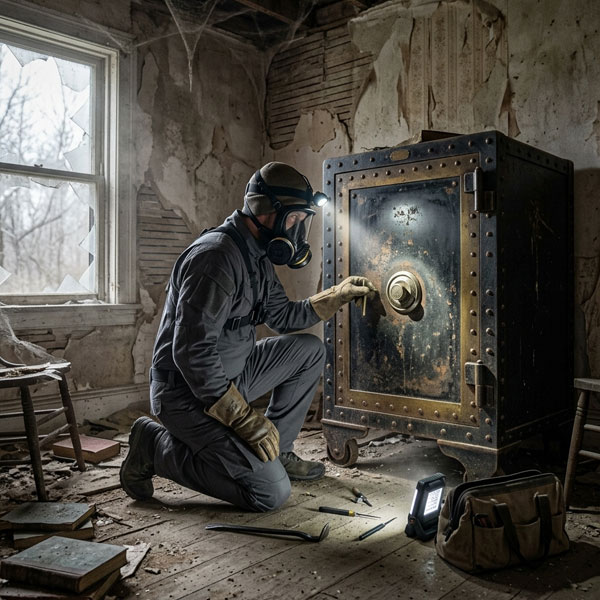 The same poison gas sprayers are not fiction at all. There have indeed been real cases in history when ancient rare safes were equipped with such “surprises”. A hundred years later, the mechanisms jammed, but the trap remained active, preparing a deadly trick for unsuspecting restorers.
Or the destruction of the contents. Does it seem absurd to spoil your own things? But if finding them can cost the owner their freedom or life (for example, when it comes to some specific secrets or forbidden things), then losing their value is not stupidity, but the only logical way out.
And the idea of a safe that is forever hidden is not so absurd. Rotating or moving mechanisms are too complicated, but the manufacture of intricate hidden caches in the safe design itself is actively practiced to this day. It's a pity that our own production has already closed, otherwise we could tell a couple of stories about what sometimes unique and non-standard puzzles we had to make on individual orders...
In search of the ideal
All this says only one thing: the perfect safe, which with a one hundred percent guarantee and without unnecessary extremes will keep all your secrets, humanity has not yet invented. You always have to find a balance.And while brilliant engineers patent new incredible biometric locks (which hackers, unfortunately, still learn to bypass), the most reliable method of protection often remains banal disguise. After all, what a thief cannot find, he cannot break. Therefore, instead of looking for a fantastic armored car with a catapult, it is better to think carefully about where in your home you can safely hide a completely classic, simple and high-quality modern safe. By the way, we have a separate article about good (and not so good) places for a home stash.


