
"Don't talk nonsense!": why the owner of a safe's main enemy is himself
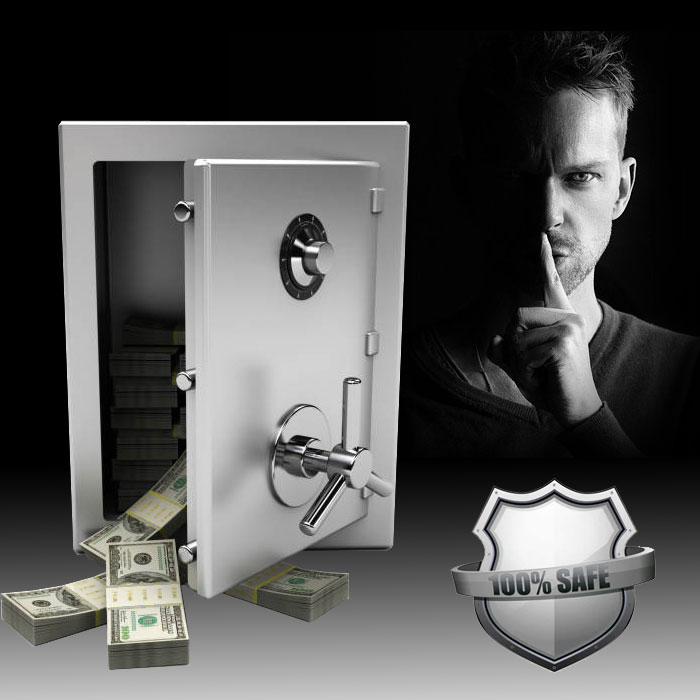 Back in Soviet times, there was a famous poster with the inscription "Don't chat!". It reminded that a person, without suspecting it, can become a source of information to his detriment. This principle of information security is fully applicable today to safe owners.
A person, without wanting to, can give out information about the presence and contents of his vault, significantly increasing the risk of theft. Let's analyze the typical mistakes that we make in everyday life and how to avoid them.
How we unintentionally "give away" our safes:
- Chatting with strangers. Discussing the purchase, installation or contents of a safe with neighbors, casual acquaintances or repairmen. Phrases like: "Well, I bought myself a small safe for documents..." or "Now all my savings are in a safe place..." are a direct tip for attackers.
- Praise and demonstration. Stories about valuable purchases that are now “safely hidden” or carelessly showing the safe’s location to guests.
- Social media. Posting photos of renovations that accidentally show the safe’s installation process or even part of it. Mentioning the purchase of a “safe vault” in posts.
- Excessive security measures for show. Overly visible reinforcement of the front door or a huge number of surveillance cameras can indirectly hint at the presence of something very valuable inside.
- Talking about money and transactions. Discussing large sums of cash, jewelry, or regularly bringing home significant sums of money that, as it becomes clear to others, are now in the apartment.
How to apply the “Don’t talk!” principle in practice:
- Minimize the circle of acquaintances. The fewer people who know about the existence and contents of your safe, the better. You should only trust such information to the closest and most trusted people, and then with great caution.
- Be careful in conversations. Avoid any mention of the safe in conversations with strangers or unfamiliar people (for example, while riding in a taxi or in line). Even an innocent-looking phrase can become a clue.
- Follow information hygiene on the Internet. Do not publish information on social networks that may even indirectly indicate the presence of valuables at home.
- Bet on invisibility. Remember that the best defense is often to avoid attracting attention. The less information about your safe circulates around, the lower the likelihood that it will become a target.
Life hack from a pro: the concept of a “decoy safe”
A very effective practice that is often forgotten to maintain secrecy is to install two safes:
- The first safe (decoy) is installed in a relatively predictable place (for example, in a bedroom closet). It can be inexpensive and contain a small amount of money “for household expenses” or low-value documents. Its task is to satisfy the robber if he is in a hurry, or to become the same "show" object for random eyes.
- The second safe (main) is the most reliable, burglar-resistant or built-in safe, the existence and location of which is known to no one except the owner. Even if the attacker somehow finds out that you "have a safe", he will find a bait and, most likely, will calm down on this.
This tactic with two safes also works great for hunters. By law, you are obliged to show the conditions of storage of weapons to representatives of the permit system or the local inspector during the inspection.
Therefore, you can have one inexpensive official safe for demonstration to inspections, and keep expensive and valuable weapons or ammunition in another, more protected and hidden from view place. After all, any information that there is a weapon at home automatically makes your home a priority target for specialized thieves.
???? If you are planning to purchase a weapon or are already its owner, be sure to read our article on current legal requirements: "Gun safe: requirements for storing weapons by citizens of Ukraine".
Remember: the reliability of a safe is measured not only by the thickness of the metal and the complexity of the lock, but also by your ability to keep your mouth shut.


